
Common Law and Natural Rights (Full Lecture)
 Finishing the Awakenings and Enlightenment section, transitioning into the American Revolution.
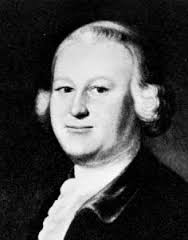
As we approach, a discussion on common law, natural rights, natural law, and James Otis.
As John Adams later wrote, the entirety of the American Revolution began with James Otis disrupting court and orating for almost three hours on the meaning of liberty and natural rights.
On the Patrick Coffin Show
Hey, I’m guest no. 1. How great is that! Thank you, Patrick.
Patrick, if you don’t know, is as great a guy as he is brilliant. Please check out his website: http://www.patrickcoffin.media
You can also find him on twitter: @Patrick_Coffin
The First Great Awakening (Full Lecture)
 A look at America’s first great awakening as well as the rise of the enlightenment(s).
Colonial Pennsylvania and Maryland (Full Lecture)

William Penn, governor, legend, brand marketer.
Behold! Attempts at religious freedom in two colonies. Full lecture.
Comments more than welcome.
Abraham Lincoln Timeline, 1809-1858
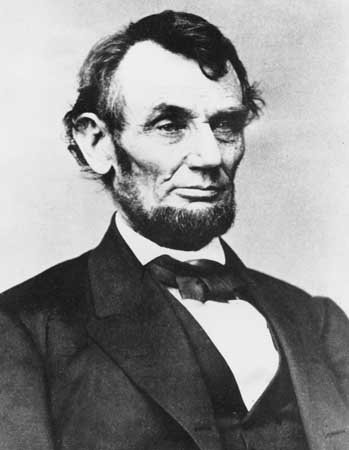
Abraham Lincoln (1809-1865)
Brief Abraham Lincoln Timeline (1809-1858)
February 12, 1809: Lincoln born in Kentucky. (Born the same year as Karl Marx)
1816: The Lincolns moved to Indiana.
1818: Lincoln’s mother died.
And, Don’t Forget Great Batman Art
So, several lectures posted. . . blog getting a little too heavy. Therefore, time for a bit of Batman. Here are some incredible pieces I found at Mondo (thanks to Adam Martin for letting me know about Mondo).

Procreative America: The Colonial Period (Full Lecture)
The best book on American population.
Why and how (not biology 1o1!) American English colonials had lots and lots and lots and lots of kids. And, why having kids matters.
The New England Way (Full Lecture)
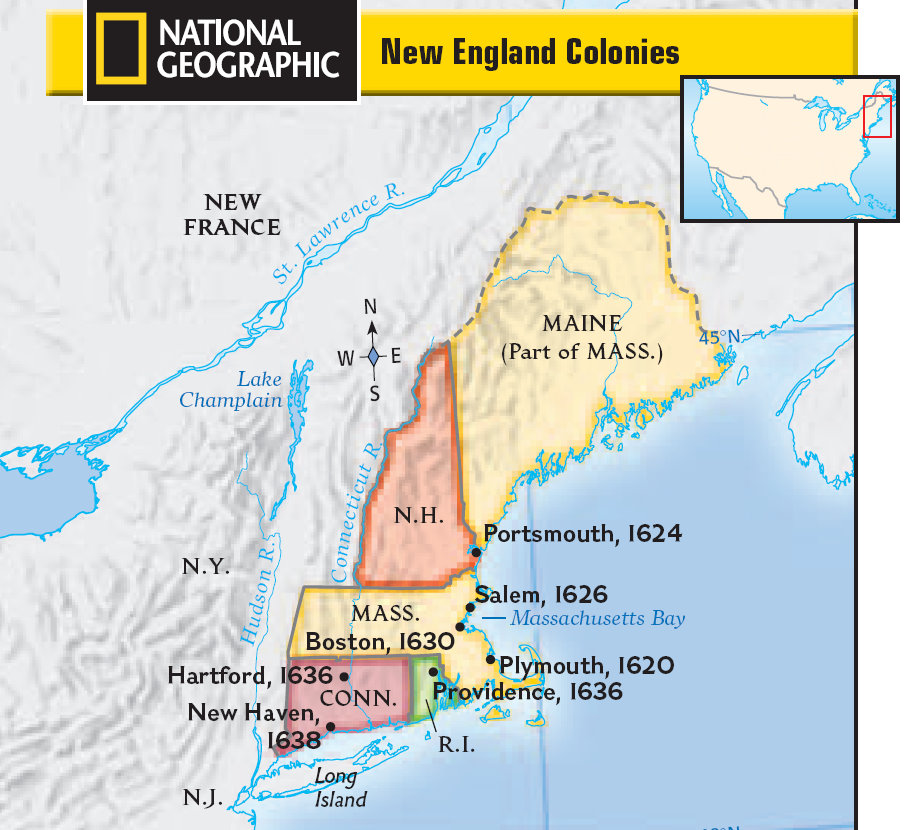
From National Geographic.
American Heritage lecture–the New England Way. Why the Puritans matter.
Why the American Civil War? (Full Lecture)

Hello friends out there in the cyberworld, if you’re interested, here’s my introductory lecture to my semester-long, upper-level course, SECTIONALISM AND THE AMERICAN CIVIL WAR.
In this lecture, I go over the syllabus and books as well as discuss the five ways in which the Civil War changed America and the three primary reasons the war occurred.
Intro to American History (Full Lecture)

Class mechanics and a look at the five migrations to English North America.
Spring 2017 American Heritage Syllabus

The true flag of the American Revolution.
American Heritage
H105; Spring 2017; Lane 125
MWF, 10:00-10:50, 11:00-11:50
Instructor: Dr. Bradley J. Birzer
Required Readings
- Hillsdale College History Department, ed., American Heritage: A Reader
- Secondary history text (via the bookstore)
- A variety of handouts/email attachments; Joseph Addison, Cato: A Tragedy (Liberty Fund), pp. 5-99. Available at Online Library of Liberty.
Catholic Anarchy?
A close friend do of mine asked me how to explain the connection between Catholicism and philosophical anarchism (as in Tolkien’s beliefs). Here’s my response, for what it’s worth.
***
 First, I try not to use the word anarchist in polite company—ONLY because for most folks, it conjures images of a bomb-thrower with a scruffy beard and top hat. That said, I don’t really have a better term. I do have the scruffy beard, though.
 Stormfields