
Universalism and the Early Christian Church (Full Lecture)

This morning’s western heritage lecture–an examination of Christianity as the first serious religion (and philosophy) to promote the dignity of the human person regardless of the accidents of one’s birth. An astounding achievement, frankly.
Here’s hoping you enjoy. . .
Full Video: Birzer on Kirk, ISI/Paolucci
An extraordinary night to celebrate the legacy of all that was and is Russell Amos Kirk.
https://www.c-span.org/video/?415963-1/bradley-birzer-accepts-paolucci-book-award
At The Imaginative Conservative: Ludwig Von Mises

One of the greats of the twentieth century: Ludwig Von Mises
Good morning. Excellent piece at The Imaginative Conservative on one of the most interesting thinkers of the 20th century: Ludwig Von Mises. By another fascinating thinker: Israel Kirzner.
Lecture: What Has Athens to do with Jerusalem

The beloved.
Getting back on schedule after a week of travel. . . Western Heritage lecture on St. John, Clement, and Tertullian. Enjoy!
St. Francis, Pray for Us
 The autumnal coolness—just on the edge of the dying summer—is in the air, and it feels good. Very cool, very refreshing against my face. The leaves are just starting to turn color, and the smell of dust lingers in the air.
October has always fascinated me. For all of my life, I can remember the great anticipation I held for October, the most mysterious of months, a month that hovers—at least in my imagination—between life and death. If Spring is birth and Summer is full life, October represents the necessary path to death. It is a Purgatory that leads to either heaven or hell.
Understood properly, October purges us of our follies and reminds us that death hovers just in front of us. It reminds us that we always stand in time, but at the very edge of eternity. Sometimes, we peer over the edge into the abyss, and sometimes we glimpse the glories of the heavenly realm. But, we always stand on the precipice of eternity, moments and steps away from true reality. Any moment and any step can lead to eternal glory or eternal damnation.
And yet, October is still more . . . and less. . . than any of this. The weather cools, the leaves change in color and form, the temperature drops, and I don’t have to mow the grass as often. I see the hunters in their odd mixture of florescent orange and tan, green, and grey camouflage walking on the highways with their guns in hand, ready to be discharged should some four-legged creature appear within eyesight. They carry about them a look of grizzled intensity. They smell blood. They hunger for it.
I see the lumbering yellow public school buses picking up the children, restless with anticipated boredom. At the end of their journey, they will be dehumanized, demythologized, filled with meaningless facts, prepared for life in artificially-lighted cubicles and boxes.
I always feel the changes physically in the air, but it is certainly more than this. Attitudes change, becoming more brisk and serious. Life, or its immanent end, takes on new meaning. The creatures of the earth begin to store their food and hoard items to keep them warm and comfortable during the winter.
Perhaps they are guided by the gentle whispers of a Franciscan.
In this, they seem wise.
The autumnal coolness—just on the edge of the dying summer—is in the air, and it feels good. Very cool, very refreshing against my face. The leaves are just starting to turn color, and the smell of dust lingers in the air.
St. Francis, pray for us.
Western Heritage Lecture 15: The Roman Republic
Founded firm.
Amazingly, already at lecture 15–the foundation and evolution of the Roman Republic.
Epicureanism and Stoicism:Western Heritage Lecture 14
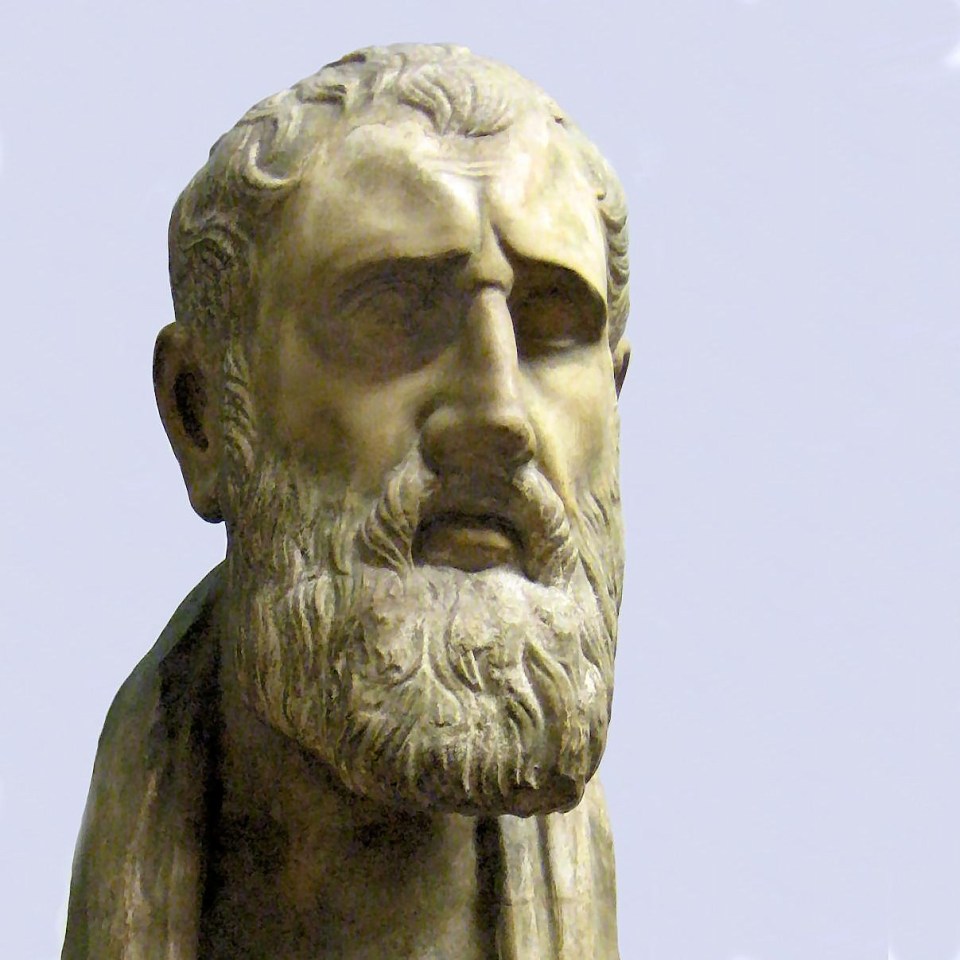
Zeno, the Founder of Stoicism
Four great philosophies emerged from the Hellenistic world: hedonism, cynicism, Epicureanism, and Stoicism. The last two, especially, have shaped the entire course of western civilization.
Aristotle and Alexander: Western Heritage Lecture 13
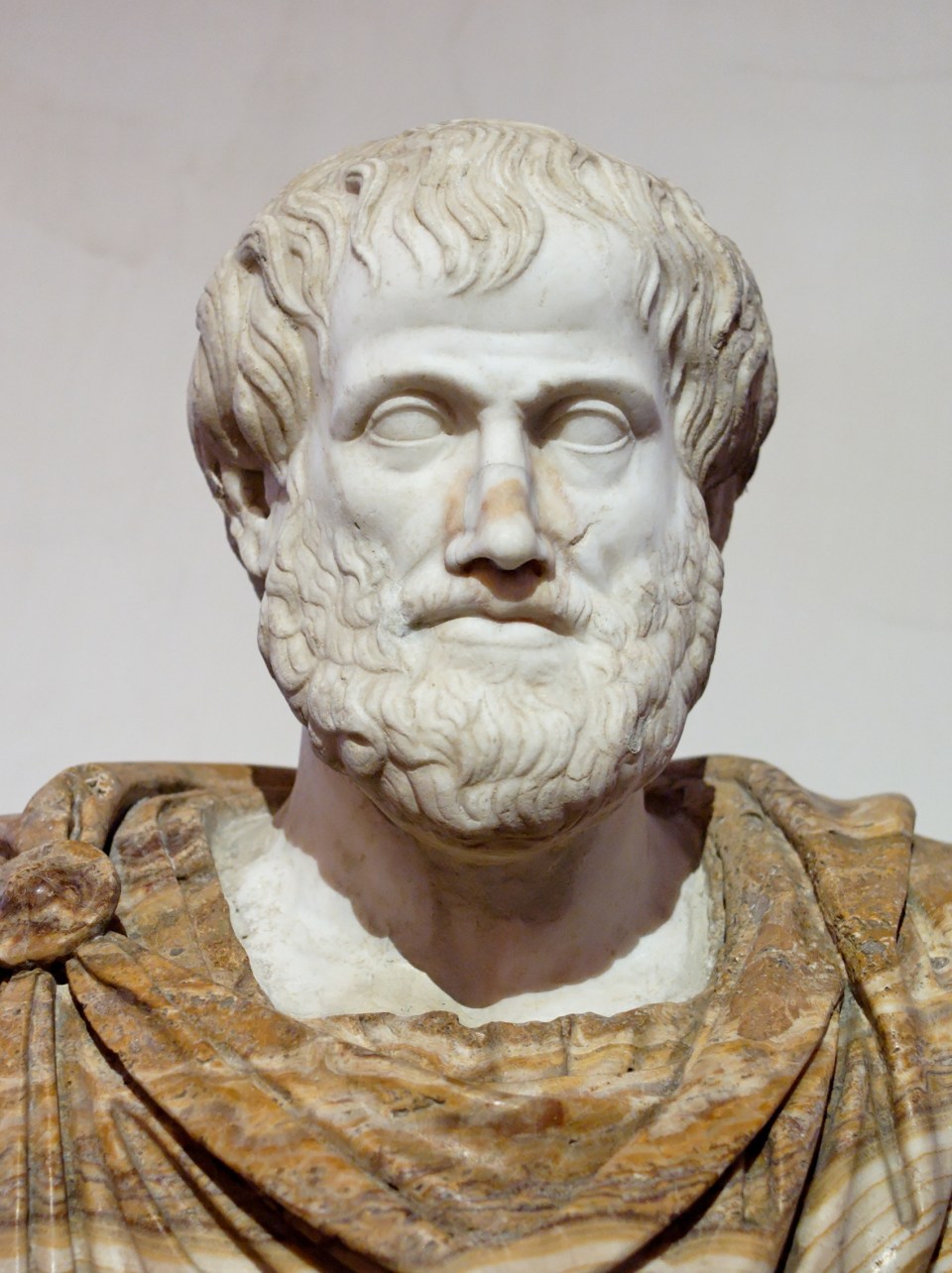
Aristotle
If you’re looking for Lecture 12, my sincere apologies–I had a messup with the recorder. So, sadly, it only recorded about 3 seconds of the lecture. I’d post it, but it’s kind of a boring 3 seconds. Here’s lecture 13: Aristotle’s ethics and Alexander’s lack of ethics.
Plato’s God

Dr. Broadhead, aka Plato
A short, 30 minute lecture/discussion as I gave the first quiz of the semester. The course lecture involved Plato’s understanding of the divine. Enjoy.
1/2 a Century of Progressive Rock/Pop

1966. The first “progressive” rock/pop album, PET SOUNDS.
Progressive (rock/pop) music is fifty years old this year. Rock as art, not noise and not emotion.














The Counsel of Despair? Albert J. Nock on Self-Government — The Imaginative Conservative
In Zen Buddhism, the lineage of student to master is extremely important—it is the channel through which the Dharma is transmitted. There is a story of a Zen Master traveling at night over a bridge known to be haunted by a goryo shin—an angry ghost. When the ghost appeared, the Zen master unfurled his lineage…
via The Counsel of Despair? Albert J. Nock on Self-Government — The Imaginative Conservative
 Stormfields