A Conservative Reflection on the 2016 Presidential Election

My own Supergirl–worth more all the politicians in the world.
A brief version of this appeared at https://home.isi.org/nothing-has-changed-least-fundamentally. A huge thank you to ISI for soliciting it. Below is the director’s cut.
***
As another presidential election cycle comes to a conclusion and a new one already begun, it’s well worth thinking about the state of conservatism, its present and its future, as well as of the state of western civilization. While this vicious, brutal, and malicious election cycle resembles many of the past elections in American history—especially those bitterly contested in and of 1824, 1876, and 2000—there are things about the 2016 cycle that make it interesting from a long-term perspective. For one, the role of populism has made its striking mark across the political spectrum, perhaps in ways, at this moment, incalculable. Perhaps more than anything else, personality mattered in the 2016 election. Not character, but personality. Not virtue, but smackdowns.
Today’s Absurdity: King Julien Joins Radiohead

My Conversation with President Mohler
Last week, I had the great privilege of speaking with President Albert Mohler (Southern Baptist Theological Seminar) about conservatism, Russell Kirk, politics, culture, and religion. One of the best interviews I’ve ever had. Thank you so much, Dr. Mohler!

http://www.albertmohler.com/2016/10/31/thinking-public-birzer/
The Bearable Lightness of the Middle Ages (Full Lecture)
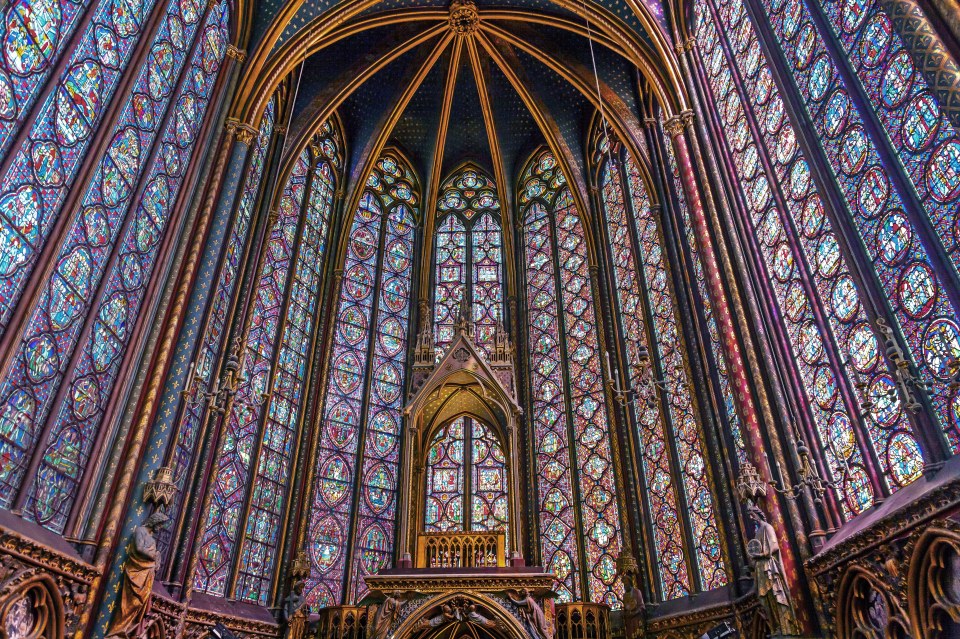
Photo courtesy of Architectural Digest
From crazy atheists to equally crazy fundamentalists, many have proclaimed the Medieval period as “dark and superstitious.” They are either ignorant or evil (or, maybe both). This lecture, viewed through the lens of Romano Guardini’s thought on unity, considers the role of that most medieval of documents, the Magna Carta. And, finds it. . . good. Very, very good.
The Distinctiveness of Medieval Culture (Full Lecture)

What makes the Medieval unlike the classical or modern worlds.
Intro to the Medieval World (Full Lecture)
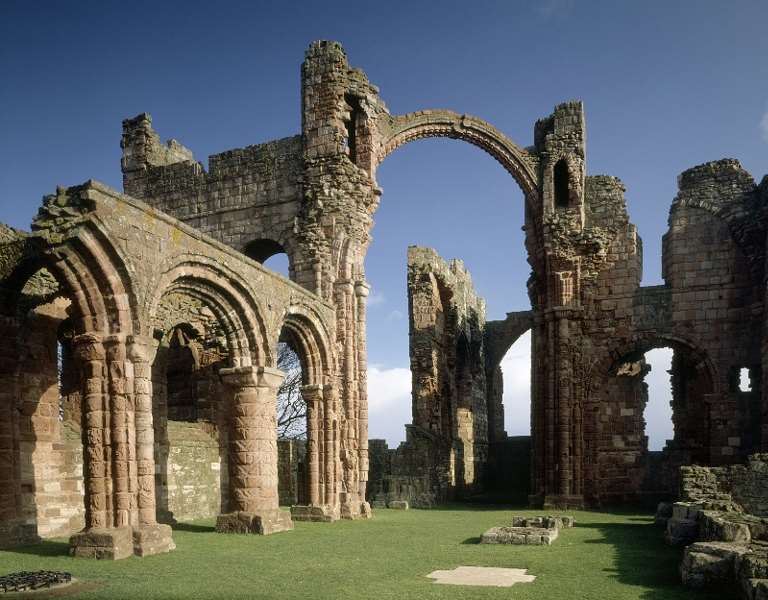
The remains of Lindesfarne.
Still booking through western civilization–but on schedule, amazingly enough. Here is the first lecture on the Medieval period. Or, perhaps more accurately, why you should never call the Middle Ages, “dark.” Here’s hoping you agree.
 Stormfields