
Kevin J. Anderson’s Visit: A Brief Comment

Kevin J. Anderson, master of many genres.
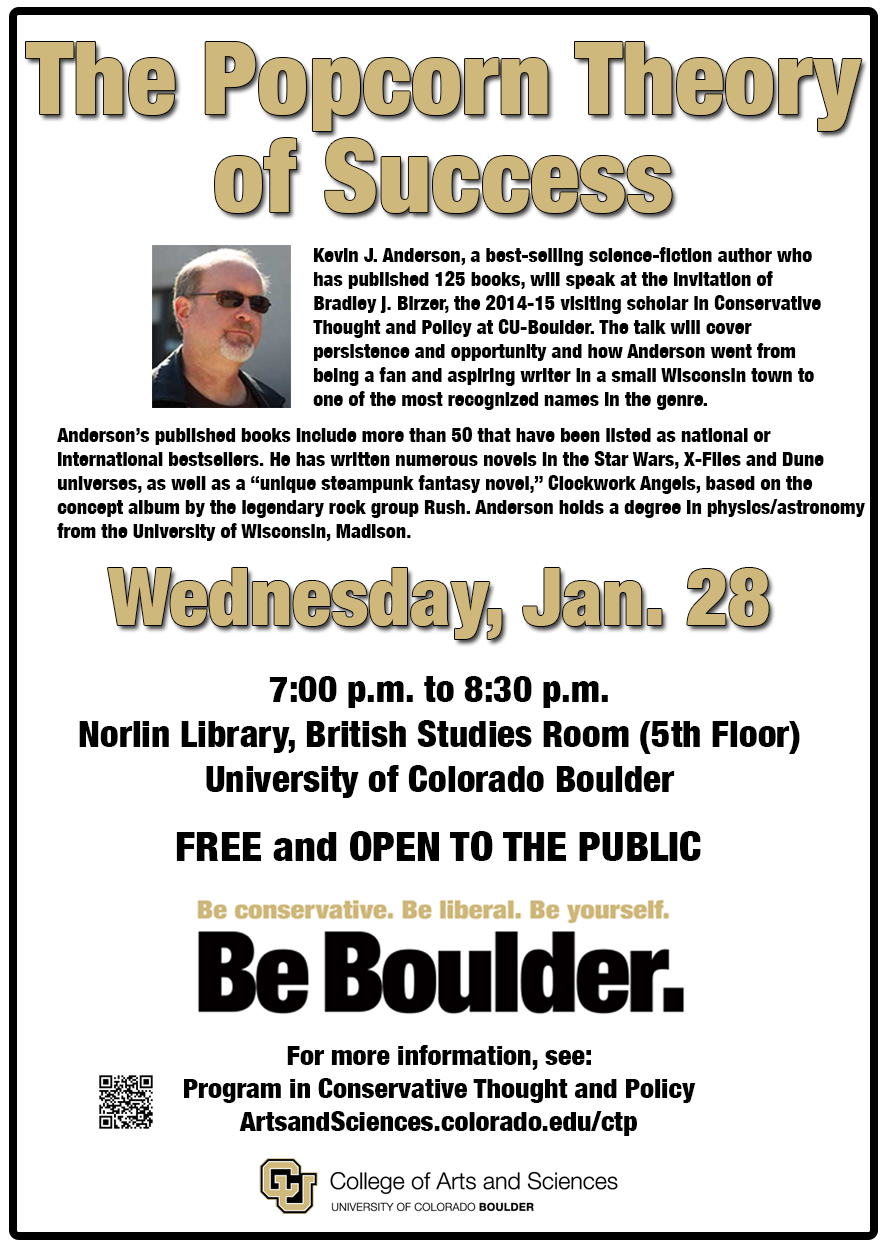
I was thrilled to invite Kevin J. Anderson to speak for the CU CTP. He and his lovely wife, Rebecca, visited on Wednesday night. I’ll write much more about Kevin’s talk in the coming days, but I thought it would be good to post this now.
When I came to Colorado this year, I was bound and determined to meet Kevin. He and his wife are two of my three favorite living science fiction writers. What a team. Kevin graciously agreed to my invitation, and we’ve had the chance to get to know one another over the past several months.
Not surprisingly, in his lecture held in Norlin library, Kevin was elegant, intelligent, charismatic, and eccentric. Roughly 55 of us enjoyed Kevin’s talk immensely. What a joy and treat for all of us.
Most obviously, Kevin possesses a profound sense of wonder, and he’s able to convey that wonder to his audiences, whether they are listeners or readers.
For more information on Kevin, Rebecca, and their Colorado-based company, WordFire Press, please go here.
The Beauties and Mythologies of J. Michael Straczynski

Babylon 5. Perhaps the finest story ever brought to television.
Over at The Imaginative Conservative, I had the opportunity to praise one of my three favorite living science-fiction writers, J. Michael Straczynski. My love of this man is nearly 20 years in the making, and I proudly own every non-mainstream comic, graphic novel, and novel he’s written. I even own several of his television scripts in published form. The man is a storytelling genius–in what ever medium he delves.
Mr. Straczynski wields entrepreneurship rather expertly. While he has pursued his dreams with a tenacity almost without compare in the modern world, he has also made and defined his situations where possible, that is, to borrow a worn out cliché, “to put his money where his mouth is.” He did this when securing funding for the original Babylon 5, and he continues to do this through his own business, StudioJMS. Interestingly enough, the very talented Patricia Tallman (actress, stuntwoman, and philanthropist) serves as the CEO of StudioJMS. At his website, Joseph Straczynski explains why his company is the way it is in ways only Mr. Straczynski can: “Because we want to spend our lives being good tired. As, by the way, should you. Here endeth the lesson, and here beginneth the adventure….” So utterly, terribly, wonderfully Straczynski.
To read the entire article, please go here.
Also, make sure you scroll down to the comments. Mr. Straczynski responded, and he did so with his characteristic wit and kindness.
Zee Baig’s New Song

 Zee Baig, the present and future of American prog.
Just now (10am, Central Standard Time), Zee Baig, mastermind behind one of the best American prog bands, Fire Garden, has released a solo song. It is beautiful, haunting, and earnest. “Yeh Jahan.”
Please check it out here:
***
To purchase the first album from Fire Garden, SOUND OF MAJESTIC COLORS (and you should!), go here: http://firegardenmusic.bandcamp.com/album/sound-of-majestic-colors
 Fire Garden’s first.










Math, Light, & Color – The 2015 Edition

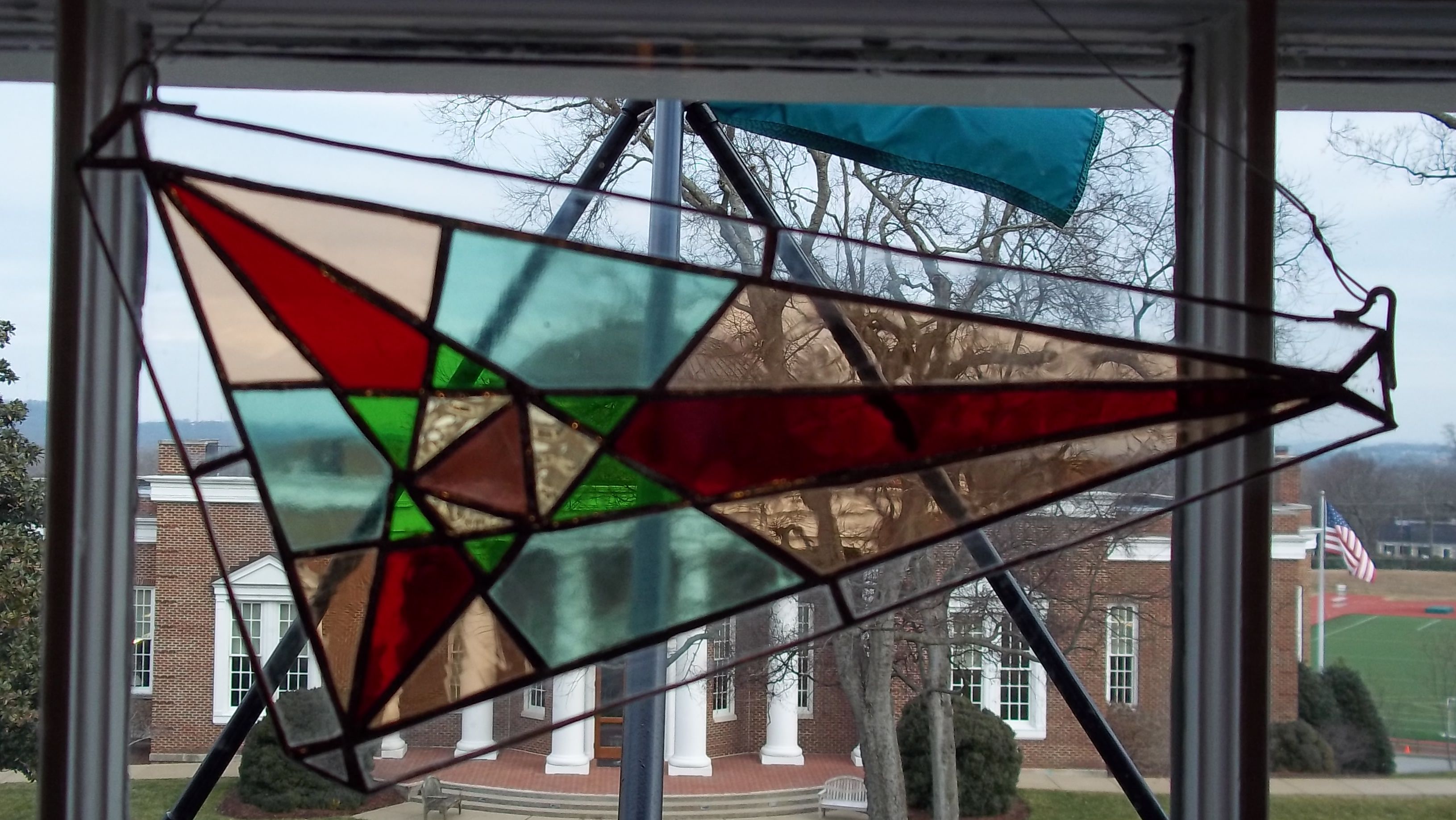
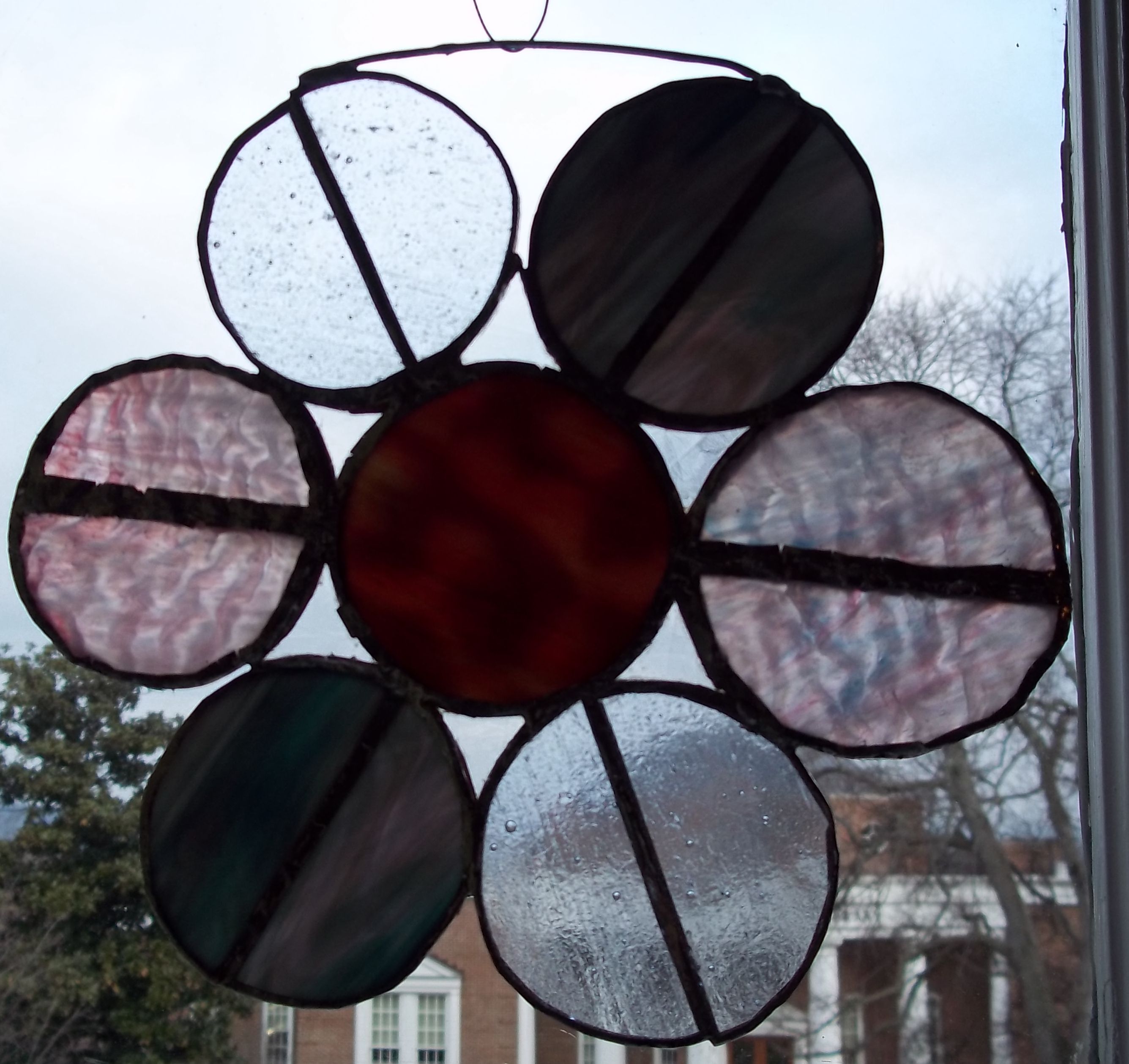
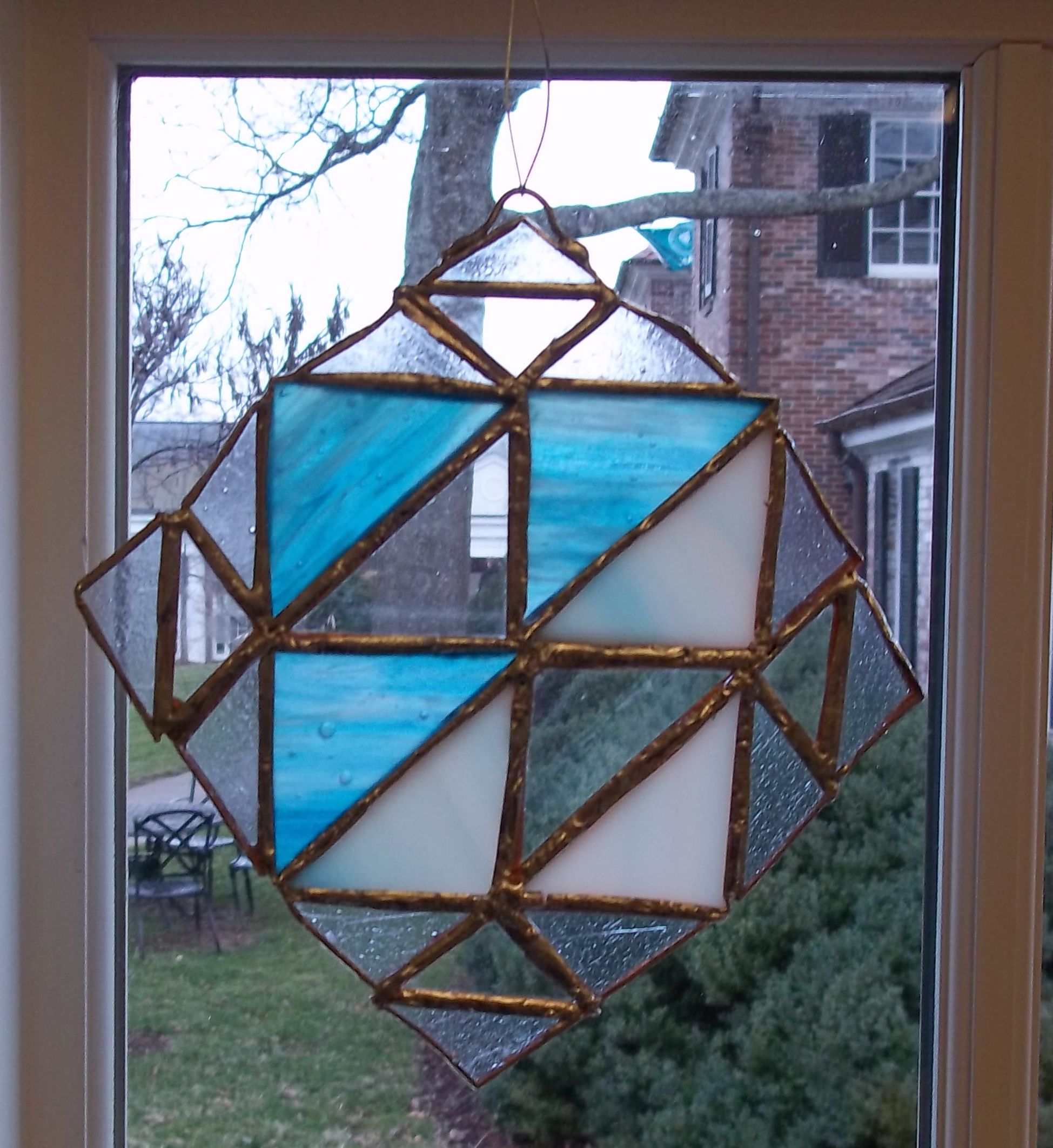
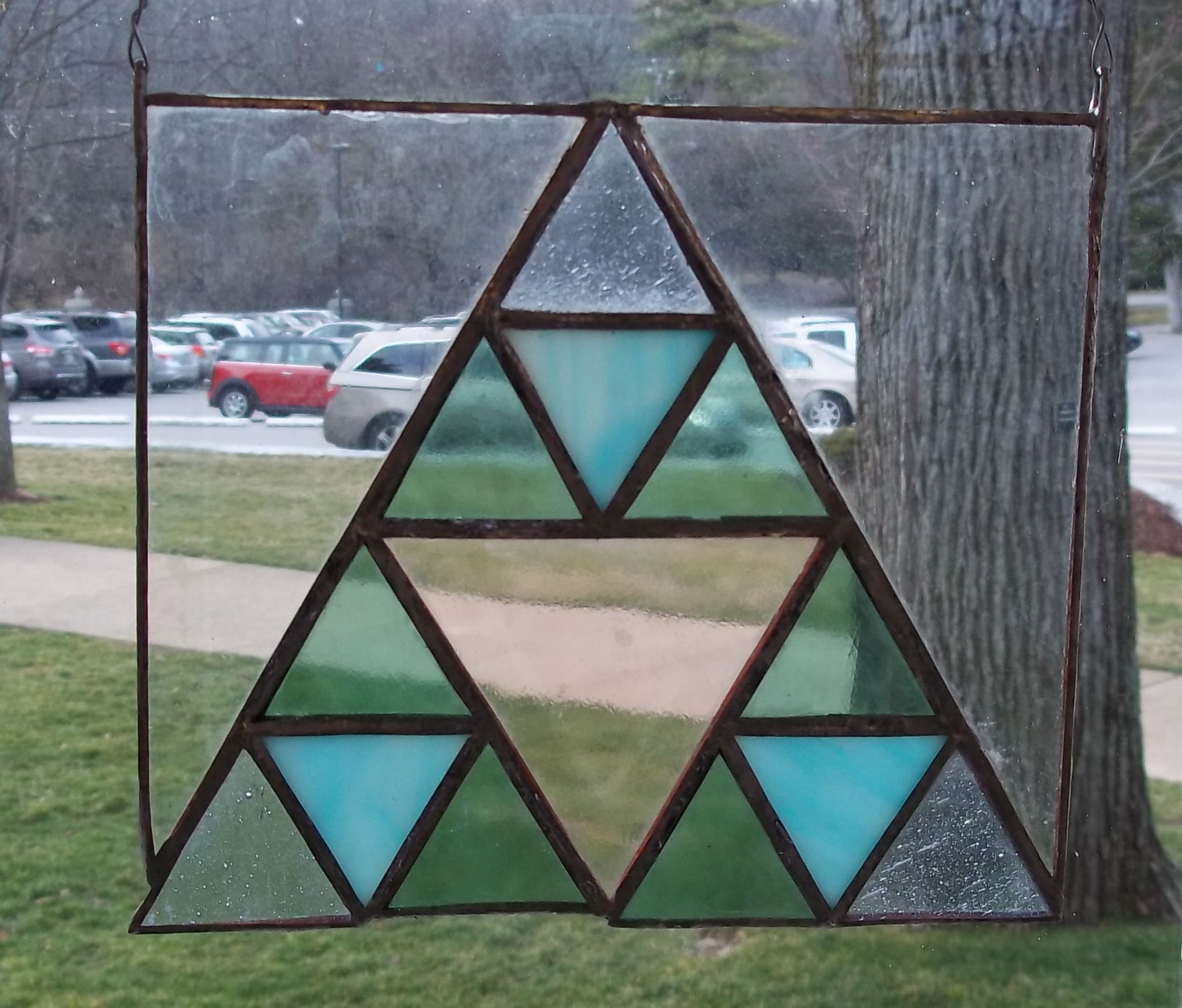
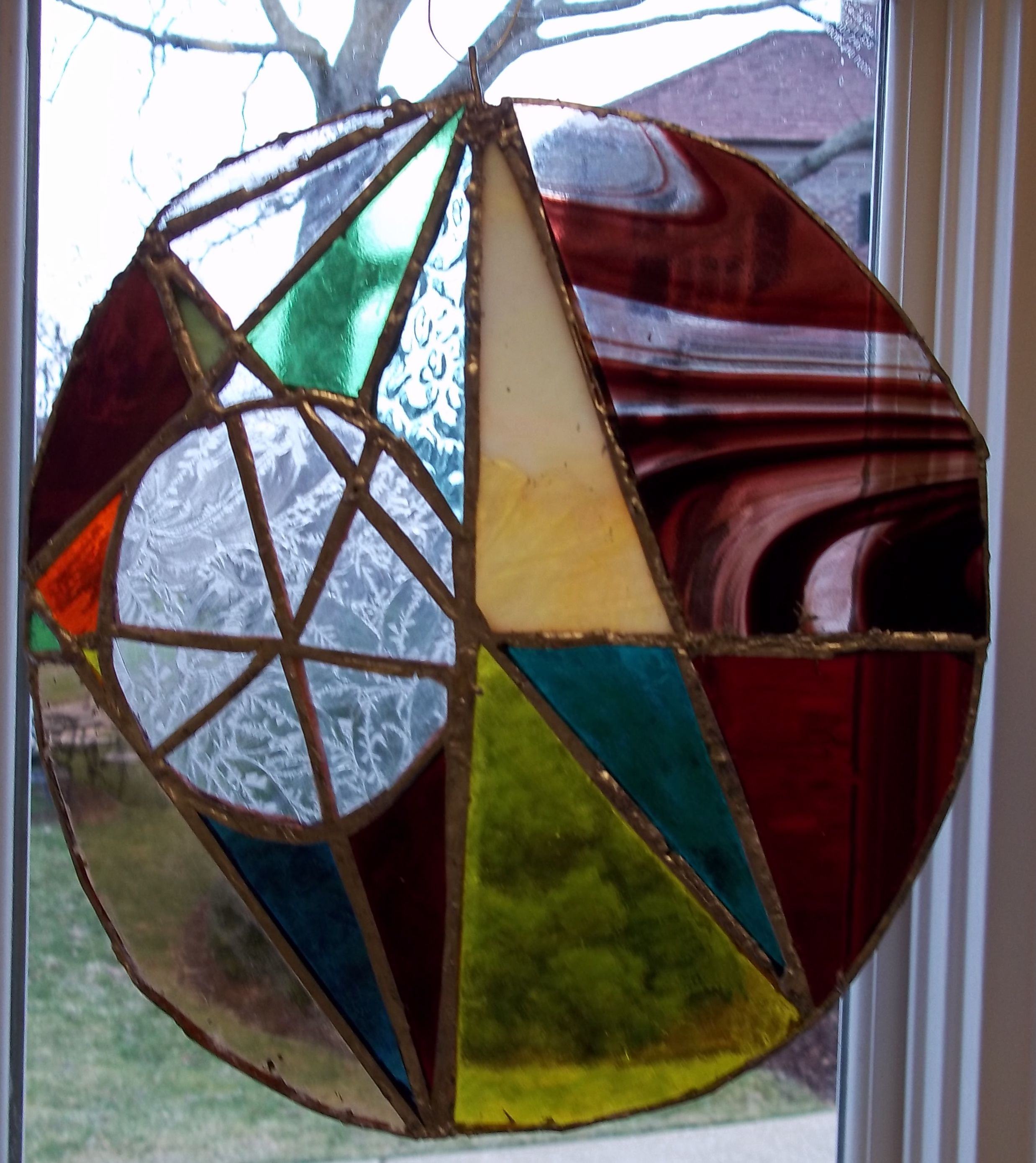
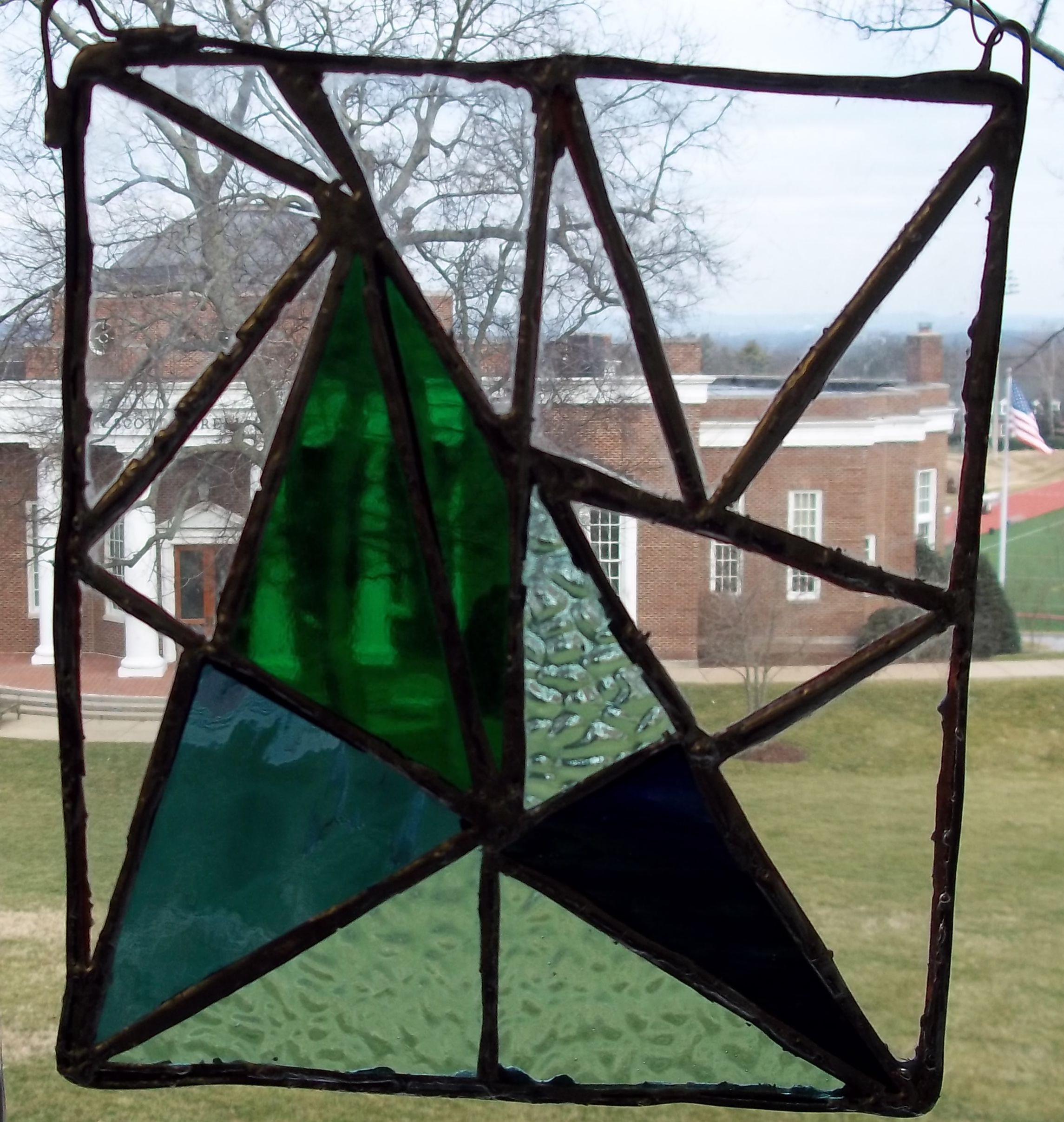
Every year, for three weeks between semesters, Harpeth Hall offers an alternative curriculum for its freshmen and sophomores (Juniors and Seniors do off-campus internships and travel). I have taught a course on designing and making stained-glass windows that incorporates mathematical topics. My students always rise to the challenge, and this year was no exception.
The girls’ projects included a series of small windows representing the Platonic Solids, the Four-Color Theorem, Ptolemy’s Theorem, the Butterfly Theorem, Napoleon’s Theorem, Morley’s Trisector Theorem, and an Ulam Spiral, among many others.
I’d also like to recommend to my readers an excellent publication and blog devoted to fostering girls’ interest in mathematics: Girls’ Angle. Their latest blog post and print issue feature some pictures of previous Math, Light, & Color students’ work. If you are looking for an engaging and beautifully laid out resource for your math students, I highly recommend Girls Angle!
Without…
View original post 8 more words
Roine Stolt in the World of Adventures: The Birth of Third-Wave Prog
The Flower Kings, Back in the World of Adventures
1995 Foxtrot Music/Insideout Music
71 minutes; 10 tracks: Back in the World of Adventures; The Prince/Kaleidoscope; Go West Judas; Train to Nowhere; Oblivion Road; Theme for a Hero; Temple of the Snakes; My Comic Lover; The Wonder Wheel; Big Puzzle.
All lyrics and music by Roine Stolt (b. 1956).
In 1994, famed (justly so) Swedish guitarist, Roine Stolt, released a solo album under the title of the FLOWER KING. Less than a year later, he formed—around himself and the band he’d used for the FLOWER KING—the Flower Kings. It’s never quite clear who the FLOWER KING exactly is, but he seems be the embodiment of Jesus. Or, at the very least, a very peace loving Johannine hippie Jesus, and his betrayer is Judas Iscariot. In the opening song of the 1994 album, with the same name as the album, Stolt sings:
View original post 775 more words
A Classic Album: SIXPENCE NONE THE RICHER (1997)
Sixpence None the Richer
Twenty years ago, the almost entirely unknown (then) and barely remembered (now) Texas-Tennessee band, Sixpence None the Richer, released its second album, a pop masterpiece, This Beautiful Mess. The cover, a picassoesque homage with eye-popping reds and yellows, captivates today as much as it did two decades ago. Imagine a southern American version of The Sundays crossed with Nebraskan, Matthew Sweet, and a little bit of the poppiest aspects of XTC, and you’ll start to get a sense of this album. The best tracks, by far, are the least poppy songs: “Within a Room Somewhere” and “Disconnect.” Each is existential and necessarily plodding. Each gorgeously develops organically with hardly a pop hook in audible range—at least relatively speaking.
View original post 2,394 more words
Atropos Project – Equator (2013)

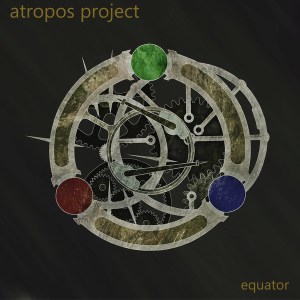 “Dead String Scrolls. Bring your own lyrics.” This is how New York musician John Quarles describes his creation, Atropos Project. While purely instrumental “prog,” John draws upon a variety of influences and experiences for his album, Equator. The beauty of this album is that it cannot be pigeonholed into one specific genre or sub-genre of rock. Musically, Atropos Project explores many different aspects of progressive rock.
John began his musical journey when he was in high school, playing drums for a variety of local metal bands. As he grew older, he began trying out different instruments, eventually settling on the guitar as his weapon of choice. Over the course of the last decade or so, through collaborating with other musicians, John began to pick up other instruments as well, including the keyboards. Equator is the product of those experiences. John cites bands such as Rush, Queen, Boston, and Kiss as his early…
View original post 529 more words
Rush Revamps its Website
Rush has completely revamped its website. It looks spectacular. www.rush.com

***
And, please check out some of our friends:
http://www.2112.net/powerwindows/main/Home.htm
Dawson, “The Claims of Politics,” 1939.
Source: Christopher Dawson, “The Claims of Politics,” SCRUTINY 8 (September 1939): 136-141.
 Stormfields