Catholicism and Leviathan
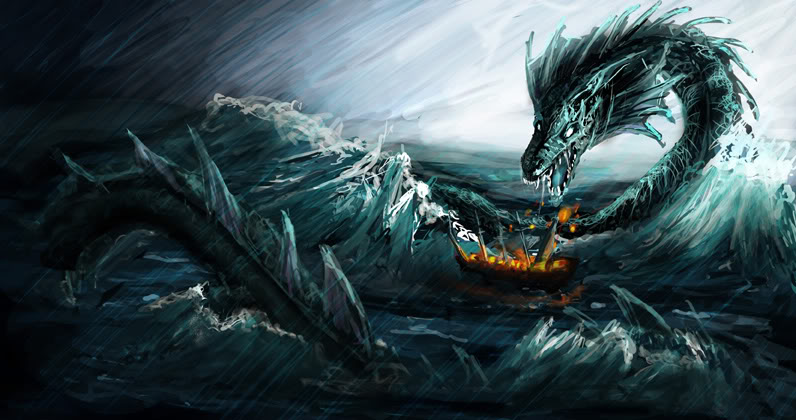
Image borrowed from STEAM.
To understand politics and the political, we must first recognize its place in the order of existence and its limitation.
I do fear that, as a whole, western society has come to think of the state (meaning politics and political governance, backed by the coercive power of the police and armed forces, institutionalized education, etc.)—whether in a relatively free republic or in a benign dictatorship—as an almost spiritual entity by which all can be defined, all problems solved, and all persons saved. There’s a left-right spectrum (to use difficult terms) on this matter. Some modern westerners—leftist progressives—think the state can solve things immediately, others—rightest progressives—think it might take several decades or even centuries. But, regardless, left and right, most of us have bought into the idea of “progress.” We rarely define that progress, but we believe it somehow exists, and we believe, with a road bump here or there, that we’re moving toward some historical end. Things will probably be better down the road, we tell ourselves.
As Roman Catholics, however, I believe it essential that we evaluate—at the most fundamental levels—our relationship to the state. It’s worth remembering that the Roman Empire was the number one murderer of Christians until the earliest part of the fourth century. In the days of martyrdom, the Catholic Church grew parallel to, and under, and around, and near, and within the Roman oppression and blood thirst.

 Stormfields